Christmas Ornaments Line Art for Crafts and Web
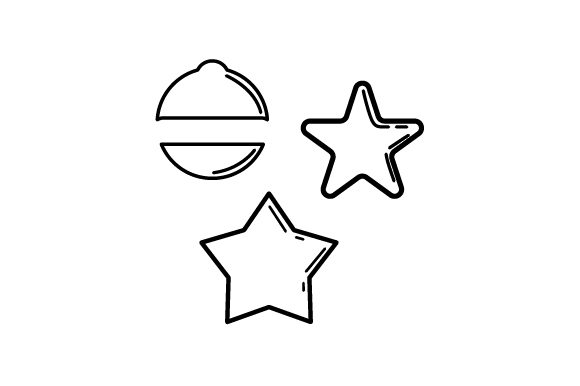
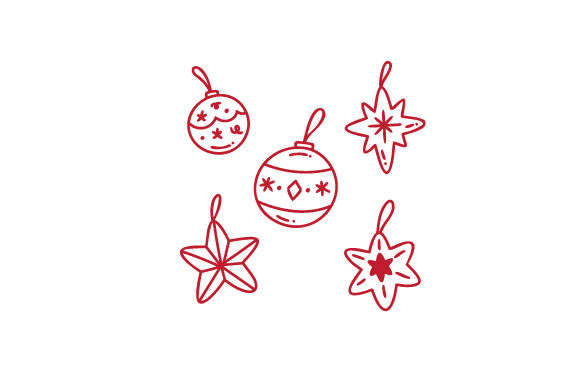
As a digital publisher and blog designer, my first interaction with any graphic design asset is purely functional. I need to know immediately if a file will elevate my editorial content or create friction in the layout process. When reviewing this Christmas Ornaments Line Art collection, the immediate impression is one of versatile elegance. Unlike heavy, rasterized illustrations that can feel dated or pixelated on high-resolution screens, these vector-based line drawings offer a clean, modern aesthetic that signals professionalism. The visual mood strikes a careful balance between nostalgic warmth and contemporary minimalism, making it an ideal candidate for lifestyle blogs, DIY craft tutorials, and seasonal affiliate marketing campaigns.
This specific asset set creates an editorial atmosphere that feels curated rather than cluttered. For content creators in the holiday niche, this distinction is vital. Reader trust is often established within milliseconds of a page load, and crisp, scalable line art suggests a site that cares about details. Whether you are running a personal blog focused on handmade gifts or a commercial publication reviewing holiday decor, this style supports a narrative of quality. It avoids the chaotic energy often associated with seasonal graphics, providing a sophisticated backdrop that allows your headline copy and body text to remain the focal point of the user experience.
Editorial Applications Across Digital Platforms
In a real publishing workflow, versatility is the metric by which I judge value. This Christmas Ornaments Line Art package delivers exceptional utility because it bridges the gap between web display and physical product creation. Receiving the files in SVG, Transparent PNG, EPS, and DXF formats means I am not locked into a single use case. The SVG and EPS files are indispensable for web design and print production, ensuring that whether the graphic appears as a tiny favicon or a massive website header, the edges remain razor-sharp. The Transparent PNG format is my go-to for rapid deployment in content management systems and social media tools where vector support might be limited.
For bloggers and newsletter creators, these assets serve as powerful visual anchors. I have found that line art performs exceptionally well as a secondary element in featured images. Instead of competing with photography, the ornaments frame the subject matter, adding seasonal context without overwhelming the primary visual. In email marketing, where load times directly impact open rates and engagement, lightweight line art is superior to heavy photographic banners. It renders instantly across all email clients and maintains clarity on mobile devices. Furthermore, the DXF inclusion opens doors for readers who are makers themselves; you can offer these designs as a digital download bonus or integrate them into laser-cutting tutorials, effectively turning a blog post into an interactive resource.
Elevating Content Performance and Brand Identity
Visual hierarchy is the silent guide of user experience, and this asset collection respects that principle. When designing Pinterest pins, the negative space inherent in line art allows for bold typography to take center stage. This leads to higher click-through potential because the text remains legible even at thumbnail size. From a branding perspective, consistent use of a specific illustration style helps build recognition. If your site uses these ornaments as recurring motifs in category thumbnails, sidebar widgets, and footer accents, you establish a cohesive brand identity that feels intentional. This consistency reduces cognitive load for returning visitors, helping them navigate your content ecosystem more intuitively.
Beyond aesthetics, these graphics support monetization strategies. For affiliate marketers, clean line art provides a neutral canvas for showcasing third-party products. You can overlay product photos onto the ornament shapes or use the lines to draw attention to call-to-action buttons without appearing aggressive. For those selling digital products like planners, worksheets, or eBooks, this art adds perceived value to the cover design. A professionally illustrated cover signals to the buyer that the content inside is equally polished. In the realm of content marketing, assets that can be repurposed across multiple revenue streams—from ad creatives to lead magnets—are the ones that justify their investment.
Strategic Placement and Visual Caution Zones
While this Christmas Ornaments Line Art is highly adaptable, strategic placement ensures maximum impact. These designs shine brightest in hero sections, article dividers, and printable resources. They are particularly effective in "How-To" guides where they can serve as step-by-step visual markers, breaking up dense text blocks and improving readability. For social media graphics, specifically Instagram Stories and TikTok overlays, the transparent PNGs allow for seamless integration over video content or colored backgrounds. As a Canva template element, they provide non-designers with a professional starting point for creating seasonal announcements or sale promotions.
However, publishers must exercise caution in specific contexts. Line art relies heavily on contrast; placing white lines on a pale pastel background or black lines on a dark charcoal texture will render the asset invisible. Always test against your specific site palette. Additionally, avoid using intricate line details in extremely small mobile thumbnails, such as 50x50 pixel avatars, where the strokes may blur together. In highly corporate or B2B environments, ensure the whimsical nature of the ornaments aligns with your brand voice; while elegant, they are inherently festive and may not suit serious financial or legal content unless used very subtly. Finally, be mindful of busy layouts. If your background already has texture or patterns, the line art may get lost. These graphics demand breathing room to function as effective editorial accents.
Publisher Workflow and Technical Validation
Before integrating any new design assets into a live environment, I run through a rigorous validation checklist. First, always confirm the commercial license. Just because a file is available for purchase does not automatically grant rights for use in paid digital products or affiliate content. Verify the terms specifically for your intended use case. Next, test the SVG code. Some marketplaces export SVGs with unnecessary metadata or bloated code that slows down rendering. Open the file in a code editor or optimization tool to clean it before uploading to your website. For the PNG versions, check the resolution; ensure they are at least 300 DPI if you plan to use them in printables, but compress them for web use to maintain fast page speeds.
Typography pairing is another critical test. Place the line art beside your site’s primary serif, sans-serif, and script fonts. Does the stroke weight of the ornament match the weight of your typeface? A delicate line drawing might look insubstantial next to a heavy slab serif, while a bold line might overpower a light handwritten font. Test the asset in grayscale to ensure it holds up without color reliance, as many users browse with dark mode enabled or on e-readers. Finally, preview the graphics within actual blog posts and newsletter templates before publishing. What looks good in isolation might clash with existing elements in your layout. By treating this Christmas Ornaments Line Art as a professional publishing tool rather than mere decoration, you ensure it contributes to a polished, trustworthy, and high-performing content strategy.