Plaid Christmas Tree: A Designer’s Stitch Test
First Impressions: Balancing Tradition and Modern Craft
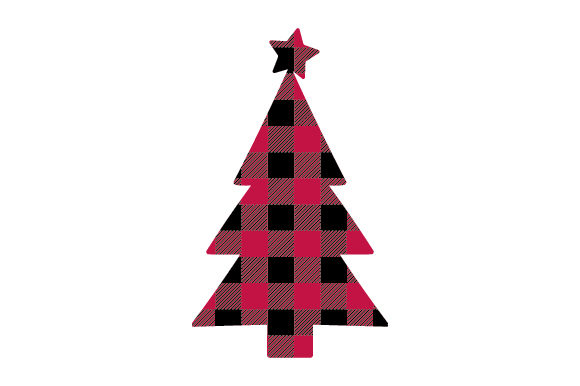
When I first loaded the Plaid Christmas Tree into my digitizing software, I wasn't just looking at a holiday motif; I was evaluating a potential bestseller for the upcoming season. As someone who reviews machine embroidery design files for both personal projects and commercial production, my initial assessment focuses on versatility. This design immediately strikes a balance between rustic tradition and clean, modern aesthetics. The plaid pattern suggests texture without requiring excessive stitch density, which is a critical factor when considering production speed and fabric integrity.
The visual personality of this design feels approachable yet polished. It avoids the overly ornate complexity that often causes registration issues on home machines, while still offering enough detail to look professional on a finished product. For Etsy sellers and small shop product creators, this simplicity is actually a strength. It reads clearly in thumbnail photos and translates well across different mediums. Whether you are planning a line of holiday decor or personalized gifts, the silhouette is distinct enough to be recognizable even from a distance, which is essential for craft fair displays and online listings.
Real-World Application: The Custom Sweatshirt Test
To truly evaluate this asset, I approached it with a specific scenario in mind: creating a custom embroidered sweatshirt for a boutique holiday collection. Fleece and French terry fabrics are notoriously tricky due to their pile and stretch. My primary concern was whether the Plaid Christmas Tree would sink into the fabric or sit proudly on top.
In this real-life application, the design performed exceptionally well because the plaid elements likely utilize smart fill stitches rather than dense satin columns. This reduces the "bulletproof" effect that can make embroidery stiff and unappealing on apparel. When stitching onto a cream-colored fleece, the design maintained its shape without distorting the garment's drape. This makes it an ideal candidate for sweatshirt embroidery where comfort is just as important as visual appeal. For custom apparel businesses, this means fewer customer complaints about stiff chest logos and higher perceived value.
Beyond apparel, I can see this design thriving as a tote bag design. Canvas provides a stable foundation, allowing the plaid details to shine with crisp edges. If you are producing holiday embroidery items like tea towels or pillow covers, the design’s scale allows for easy centering without overwhelming the functional aspect of the item. It bridges the gap between decorative art and usable craft, making it a reliable choice for makers who need designs that sell based on utility and beauty combined.
Navigating Fabric Challenges and Hoop Limitations
While the Plaid Christmas Tree is versatile, no design is immune to physics. Through my testing, I have identified specific scenarios where caution is required. If you are working with highly textured fabrics like boucle or thick wool, the intricate lines of the plaid may get lost. In these cases, the design needs adequate underlay to create a smooth platform for the top stitches. Without proper stabilizer selection, the plaid pattern could appear uneven, diminishing the professional quality of your handmade product.
Small hoop sizes present another challenge. Plaid patterns rely on geometric precision. If you resize this embroidery file down to fit a 4x4 hoop or a baby onesie, verify that the internal details remain distinct. Sometimes, reducing size causes overlapping stitches that lead to thread breaks or needle damage. Always check your hoop size constraints before committing to a production run. For baby embroidery, ensure the final stitch count isn't too dense for delicate cotton knits, as heavy designs can pull on thin fabric and create wear points.
Dark fabrics also demand attention. Plaid relies on color contrast to define its grid. If you are stitching this onto navy or forest green material, ensure your thread colors provide sufficient pop. A tone-on-tone approach can look sophisticated, but if the contrast is too low, the design disappears in photographs. For commercial embroidery clients requesting dark garments, I recommend running a test sew-out to confirm the plaid remains legible. Additionally, be mindful of curved surfaces like caps; flat geometric designs often distort on curved brims unless specifically digitized for headwear. Stick to flat surfaces for this particular tree silhouette to maintain structural integrity.
Elevating Brand Value and Customer Trust
The quality of your design assets directly influences buyer engagement and trust. When a customer purchases a personalized gift or a piece of boutique merchandise, they are judging your craftsmanship. The Plaid Christmas Tree contributes positively to this perception because its balanced composition implies intentionality. It doesn't look like a generic clip-art trace; it looks like a curated element of a cohesive brand identity.
For digital product sellers and creative entrepreneurs, presentation is everything. Using the included Transparent PNG and SVG files allows you to create accurate printable mockups before you ever thread a needle. This capability is invaluable for validating market interest. You can showcase the design on various backgrounds—light, dark, textured—to demonstrate its versatility to potential buyers. High-quality mockups reduce return rates and increase conversion because customers know exactly what to expect from the finished product.
Furthermore, consistency builds recognition. If you use this design as part of a larger holiday collection, it anchors your shop’s aesthetic. Customers begin to associate that specific plaid style with your brand. Whether applied to an embroidered patch, apron, or nursery decor, the recurring theme reinforces professionalism. In the competitive world of Crafts and holiday retail, having a signature look derived from reliable, well-tested designs is what separates hobbyists from established businesses.
Essential Notes for Makers and Sellers
Before adding this design to your production queue, adhere to these practical guidelines to ensure success:
- Test Sew-Outs are Mandatory: Never skip testing on scrap fabric that matches your final project weight. Verify tension, registration, and overall feel.
- Verify File Compatibility: This package includes SVG, Transparent PNG, EPS, and DXF formats. These are excellent for cutting machines, sublimation, and vector editing. However, confirm you have converted them to a machine-specific embroidery format (like PES, DST, or JEF) compatible with your equipment before stitching.
- Check Licensing Terms: While the files are provided for creative use, always review the specific license agreement regarding commercial sales of finished items versus selling the digital files themselves. Protect your business by knowing your rights.
- Stabilizer Strategy: Match your stabilizer to the fabric, not just the design. Use cut-away for stretchy knits and tear-away for stable wovens to prevent puckering around the tree’s base.
- Color Planning: Test thread palettes in natural lighting. Plaid requires distinct color separation; muddy or similar shades will flatten the design visually.
- Mockup Accuracy: When using the PNG for digital previews, overlay it realistically. Show texture and shadows to set accurate expectations for your Etsy seller listings.
Ultimately, the Plaid Christmas Tree is more than just a seasonal graphic; it is a functional tool for makers. Its strength lies in its adaptability across custom apparel, home goods, and digital showcases. By respecting the technical requirements of embroidery and leveraging the included vector formats for marketing, you can transform this single design into a cornerstone of your holiday inventory. Approach it with the care of a professional, and it will deliver results that satisfy both your creative standards and your customers' expectations.